RedBear · classic Rust 2015 · v1069
How Rust Legacy differs from modern Rust
On paper it is one game; in practice these are two projects sharing a name. Modern Rust grew out of the Experimental branch and has shipped monthly updates since 2015. Legacy stayed exactly as it was remembered.
Map and monuments
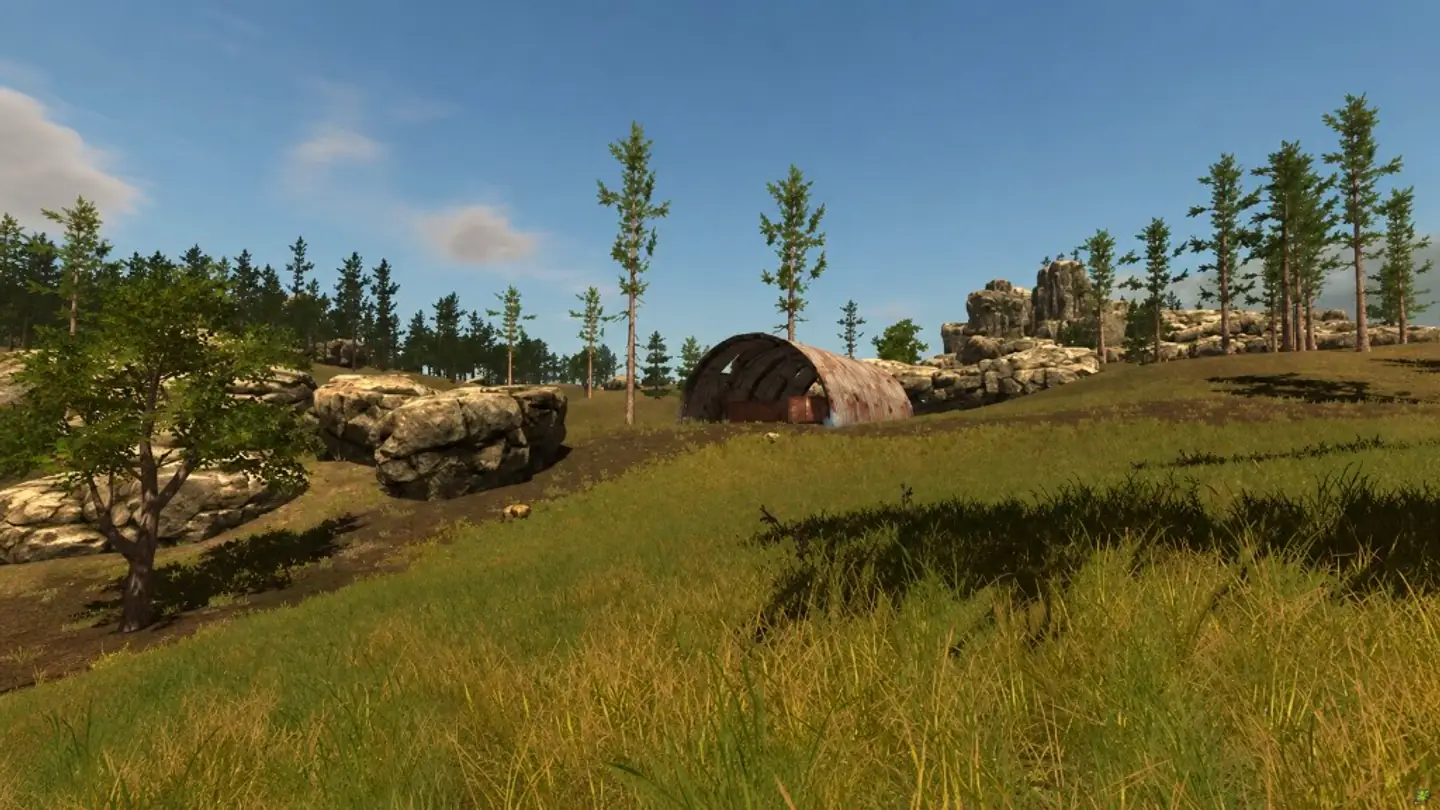
Legacy has one familiar island: radtown, the hangar, the resource road. Everything is recognisable at a glance and you run into other players constantly.
Modern Rust regenerates a much larger map every wipe. It added puzzle monuments with keycards, underwater labs, vehicles and electricity.
Crafting and progression
Legacy: gather, learn, craft. One clear path from a stone hatchet to an M4, limited only by time and how often you die on the way.
Modern Rust: components, scrap, workbench research and monthly rebalancing. Deeper, but it demands far more knowledge of the current patch.
Raiding and building
In Legacy a base is protected by placement, wall tiers and people online. Explosives are expensive, so raids are planned ahead and usually run as a group.
Modern Rust added the tool cupboard and upkeep, turrets, traps and electricity. Defence became an engineering problem and raids a sulfur budget.
Playing together
Legacy has no built-in teams: you recognise friends by name, voice and agreements, and alliances run on trust. Clan tags, shared chat and friendly-fire toggles only exist through server mods.
Modern Rust ships teams with map markers, teammate status, pings and a companion app. More convenient, but it removes some of the confusion the old version is loved for.
Mods and fair play
Modern Rust is covered by Facepunch anti-cheat and patched alongside the game. Legacy has had no official support since 2016, so a server is only as fair as what its owners build on top.
That is exactly why we are making our own client with verification and a launcher: without it the old version turns into a contest between cheats rather than players.